Exploring Awareness of Body Weight Through Daily Nutrition Habits

An educational resource dedicated to understanding how everyday food choices, routines, and environments shape our relationship with eating. This site explains patterns and contexts without offering personal advice.

Educational content only. No medical services. No promises of outcomes.

Explore Daily Context
Person preparing a balanced meal in a modern kitchen

Morning Routines and Meal Choices

The way mornings unfold often sets a pattern for food choices throughout the day. Research observations suggest that morning routines vary significantly across individuals, influenced by work schedules, household composition, and personal preferences.

Some individuals report eating shortly after waking, while others delay their first meal by several hours. These patterns appear connected to factors such as sleep quality, morning responsibilities, and cultural norms around breakfast.

Understanding these variations helps illustrate the diversity of eating behaviours without suggesting any single approach is preferable to another.

Read the Overview


Cozy breakfast table with oatmeal and tea in morning light

Workday Nutrition Patterns

The structure of a typical workday significantly influences when and what people eat. Office environments, remote work settings, and shift-based occupations each create distinct eating contexts.

Observations indicate that workplace culture, break time availability, and access to food options all play roles in shaping midday eating patterns. Some workplaces facilitate regular meal breaks, while others may lead to irregular eating schedules.

These environmental factors demonstrate how external circumstances interact with personal food choices in complex ways.

Modern office desk with healthy lunch container Person enjoying a salad bowl during lunch break

Snack Timing and Habits

Between-meal eating represents a common aspect of daily food patterns for many individuals. The timing, frequency, and types of snacks consumed vary widely based on lifestyle factors.

Research observations note that snacking behaviour often correlates with activity levels, meal satisfaction, and food availability in immediate environments. Home, workplace, and social settings each present different snacking contexts.

Examining these patterns reveals the situational nature of eating decisions without implying that any particular snacking pattern is inherently better or worse.

Understand Eating Patterns
Afternoon snack arrangement with fresh fruits and nuts

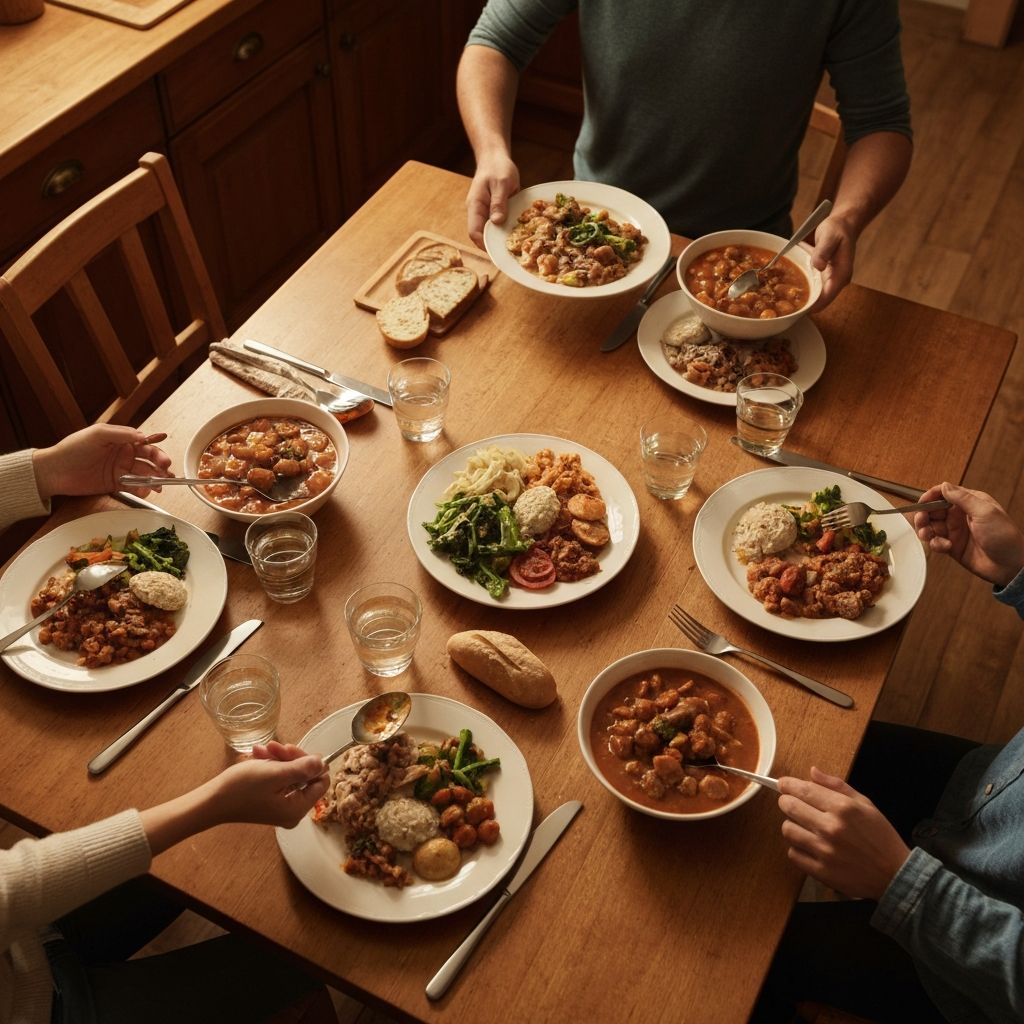
Evening Meals and Family Influence

Evening eating patterns often reflect household dynamics and social relationships. For many families, dinner serves as a gathering point, while individuals living alone may have entirely different evening routines.

Studies observe that family composition, work schedules, and cultural traditions all influence when evening meals occur and what they typically include. Shared meals may involve different food choices compared to eating alone.

These observations highlight how social context shapes eating behaviour in ways that extend beyond individual preference.

Warm family dinner table setting with home-cooked food

Meal Frequency and Structure Insights

The number of meals consumed daily and their relative sizes represent highly individual patterns. Some people naturally gravitate toward three distinct meals, while others prefer more frequent, smaller eating occasions.

Research suggests these patterns often develop over time in response to lifestyle demands, personal energy needs, and food availability. Cultural backgrounds also influence expectations around meal structure and timing.

Understanding this variation helps contextualise the diversity of eating patterns observed across populations.

Explore Daily Context
Kitchen counter with organised meal prep containers

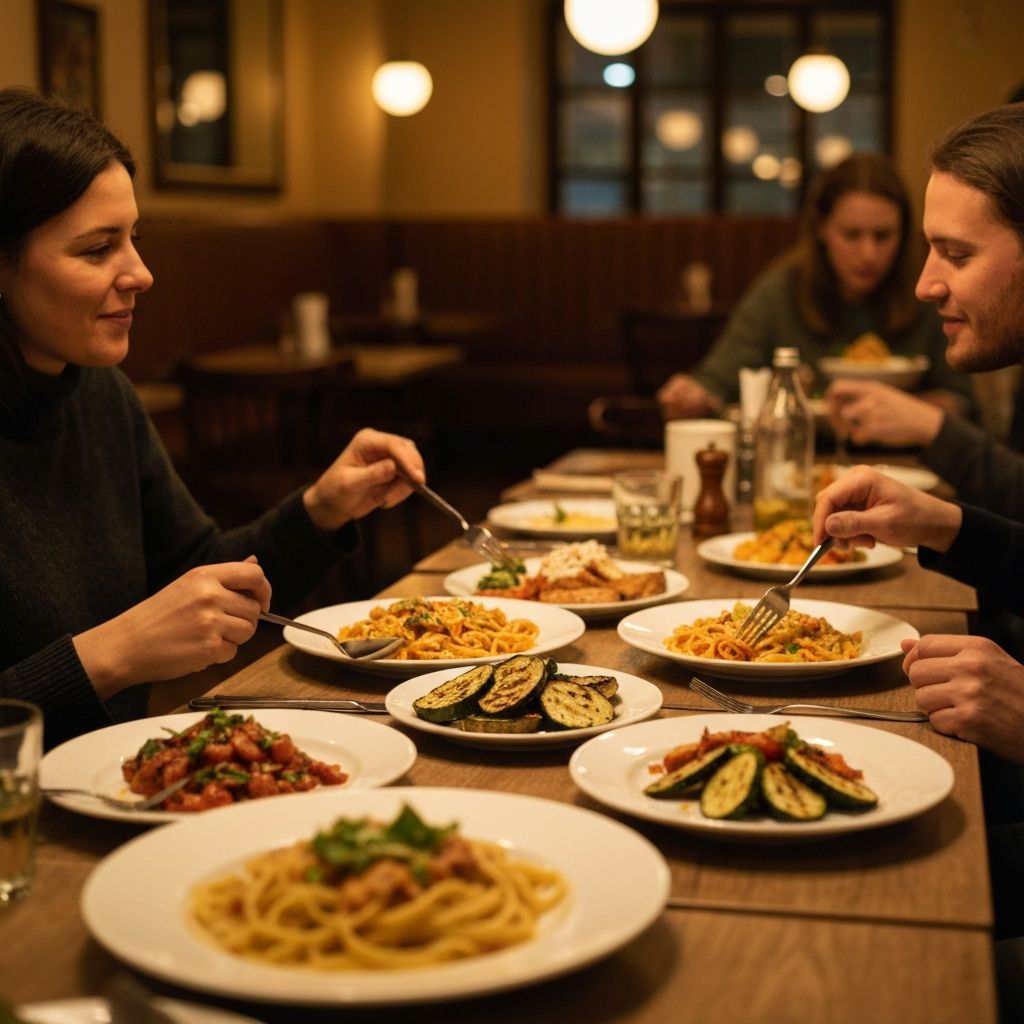
Environmental and Social Influences

The settings in which eating occurs significantly influence food choices and eating behaviours. Restaurants, cafeterias, home kitchens, and social gatherings each present distinct food environments.

Observations indicate that portion sizes, food variety, ambient atmosphere, and social company all interact to shape eating experiences. These environmental factors operate alongside individual preferences.

Recognising these influences helps explain why the same individual might eat differently across various contexts and settings.

Social dining scene at a cafe with shared plates

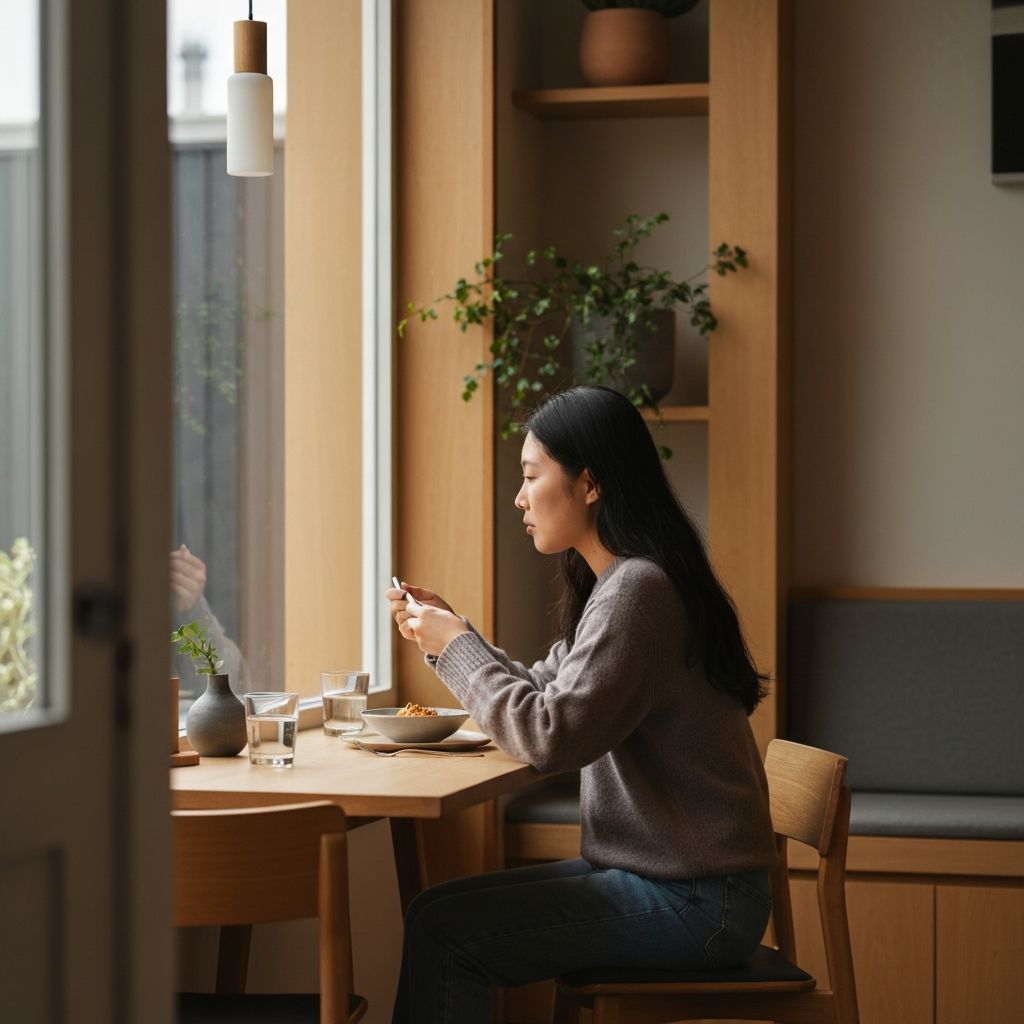
Mindful Eating Reflections

The concept of awareness during eating has received attention in behavioural research. This refers to the degree of attention individuals pay to food during meals, rather than any specific technique or practice.

Observations suggest that eating attention varies based on circumstances, stress levels, and competing activities. Some meals receive focused attention, while others occur alongside other tasks.

Understanding these patterns of attention helps illustrate the complex relationship between awareness and eating behaviour without prescribing any particular approach.

Read the Overview
Person enjoying a peaceful meal by a window

Limitations and Context

The information presented on this website is intended solely for educational purposes. Please consider the following important points:

  • Informational nature: All materials on this site describe general observations and research findings. They are not intended as personal guidance or recommendations.
  • No personal advice: This website does not provide individualised advice regarding eating, nutrition, or any health-related matters. Each person's circumstances are unique.
  • Diverse approaches: The information acknowledges that people have many different approaches to eating in their daily lives. No single pattern is presented as preferable.
  • Individual decisions: The content on this site does not replace your own judgement or decisions about your daily life and eating patterns.

Frequently Asked Questions

What is the purpose of this website?

NutriSense exists to provide educational information about how daily habits, environments, and social factors relate to eating patterns. We explain observed phenomena without offering personal advice or promoting specific approaches.

Does this website provide nutrition advice?

No. This website does not provide nutrition advice, dietary recommendations, or personal guidance. All content is purely informational and describes general observations from research and everyday life.

Who creates the content on NutriSense?

Content is developed by our editorial team with backgrounds in education and communication. We synthesise publicly available research and observations into accessible educational materials.

Can I use this information to change my eating habits?

This website is designed for educational understanding only. Any decisions about your personal eating patterns should be based on your own circumstances and, where appropriate, consultation with qualified professionals.

How often is the content updated?

We periodically review and update our educational content to ensure accuracy and relevance. However, this website is not a news source and does not provide time-sensitive information.

Is this website affiliated with any commercial products?

No. NutriSense is an independent educational resource. We do not sell products, promote commercial services, or have affiliations with companies selling food, supplements, or related items.

Get in Touch

Have questions about our educational content? We welcome your enquiries.

Address

NutriSense
12 Victoria Street
London, SW1H 0TL
United Kingdom

Phone

+44 20 79 83 41 56

Continue Your Learning Journey

Explore more about the everyday contexts that shape eating patterns and food awareness.

Read the Overview